What is blue hour, and when to catch it tonight
Par Sam Arkwell · publié le 25 septembre 2026
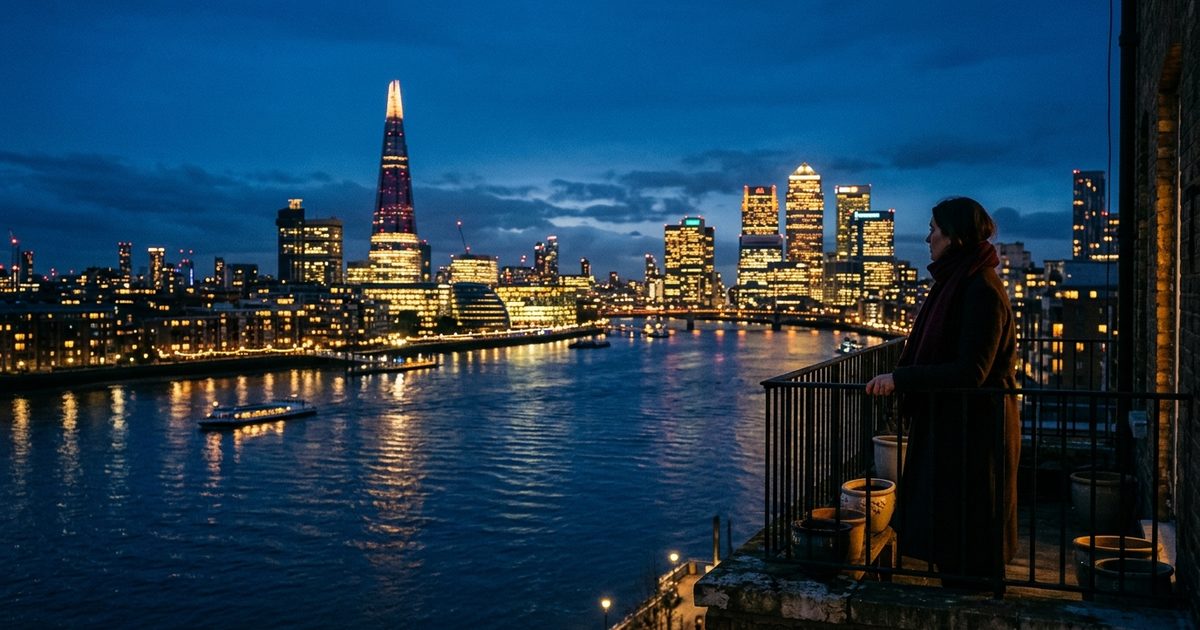
The sun is down, the streetlights flicker on, and for a short stretch the sky refuses to go black. Instead it turns a deep, even, electric blue, the kind that makes ordinary streets look cinematic. Searches for this strange in-between light climb every fall, as evenings arrive early enough to catch it before dinner. Here is what blue hour actually is, and when to be outside tonight.
What exactly is the blue hour?
The short answer: the window after sunset, and before sunrise, when the sun sits roughly 4 to 8 degrees below the horizon. Direct sunlight is gone, but the upper atmosphere is still lit, and it scatters mostly blue wavelengths back down. The result is a deep, even blue light lasting 20 to 40 minutes at our latitudes, prized by photographers for city scenes.
The physics is a two-step filter. With the sun below the horizon, light reaching your eyes has grazed through a long slab of upper atmosphere, where ozone absorbs much of the remaining red and orange. What survives and scatters down is blue, purer than the daytime sky’s, because no direct white sunlight dilutes it.
The window has hard edges. Before it, twilight still glows warm at the horizon. After it, once the sun sinks past about 8 degrees, too little light remains and night takes over, on the schedule tracked in what time it gets dark.
Blue hour versus golden hour, the evening’s two acts
The two hours are a matched pair, and the order never changes. Golden hour plays first, sun low but up, light warm and directional, shadows long. Then comes the handover, ten to twenty minutes after sunset, and blue hour opens its cooler act, no shadows, no direction, just an even blue bath.
Photographers split the work between them. Gold flatters skin and landscapes, which is why portraits book that slot. Blue flatters artificial light, windows, neon, car trails, street lamps, all of which burn warm against the cold sky, the contrast that makes city shots pop. The classic recipe for skylines is precisely this window, buildings lit, sky still blue enough to register, fifteen minutes of balance.
Neither lasts its advertised hour. At mid-latitudes this season, blue hour runs 20 to 40 minutes, shrinking toward 15 near the equator, where the sun dives steeply, and stretching in polar summers, where it can fill half the night.
When to catch it tonight, and this weekend’s bonus
The timing rule is simple enough to memorize. Blue hour begins 10 to 20 minutes after your local sunset and holds for half an hour, give or take. With sunsets now landing around 7 to 7:30 pm across much of Europe and the northern US, the blue window sits neatly before dinner, one of fall’s quiet perks.
The next few evenings add a rare prop. The harvest moon, full on Saturday, rises near dusk several nights running, which places a huge orange moon low in the east exactly during blue hour, orange on blue, the painter’s complementary pair. Photographers wait years for cleaner alignments, and this one repeats three evenings straight, courtesy of the moon’s shrunken daily delay this week.
The morning edition exists too, mirrored before sunrise, same physics, same duration, plus empty streets. Early risers get the bonus of blue hour into golden hour, the evening sequence reversed.
Making the most of the blue window
Three practical notes close the case. The window is short, so scouting the spot before sunset beats improvising in fading light. Artificial lights make the shot, so face the lit side of town, not the dark one. And phones handle blue hour surprisingly well, their night modes leaning on exactly this residual light, steady hands or a ledge doing the rest.
Blue hour remains the most democratic of sky shows. It needs no clear horizon, no equipment and no luck, just twenty minutes and the willingness to look up between sunset and night. The sky performs it twice a day, every day, and this weekend it even brings a moon.
Vos questions
What is the blue hour?
The short window after sunset (and before sunrise) when the sun sits between roughly 4 and 8 degrees below the horizon: direct light is gone, and the upper atmosphere scatters mostly blue wavelengths back down. The sky turns a deep, even, electric blue that photographers prize for cityscapes and portraits against lit windows.
When does blue hour happen and how long does it last?
It follows golden hour, starting 10 to 20 minutes after sunset at mid-latitudes and lasting roughly 20 to 40 minutes this time of year. Despite the name, it is rarely a full hour: near the equator it can shrink to 15 minutes, while polar summers stretch it far longer.
What is the difference between golden hour and blue hour?
Golden hour comes before sunset, with the sun low and its light warm, gold and directional. Blue hour comes after, with the sun below the horizon and only scattered blue light remaining. Gold is for warm portraits and landscapes ; blue is for city lights, neon and moody evening scenes.
Why does the sky turn blue instead of black after sunset?
Because the upper atmosphere is still lit when the ground no longer is : ozone absorbs the remaining reddish light while the air scatters blue wavelengths downward. Once the sun drops more than about 8 degrees below the horizon, too little light remains, and blue hour fades into night.